
Products
DECODING MILLETS
Millet, often referred to as a “miracle grain” or “nutri-cereal,” is not just one grain but a group of small-seeded grasses widely cultivated as cereal crops or grains for both human food and fodder. These grains, known for their resilience to harsh weather conditions, are integral to fighting food insecurity and promoting sustainable agricultural practices. Below, we explore the varieties of millets and the unique benefits they offer.
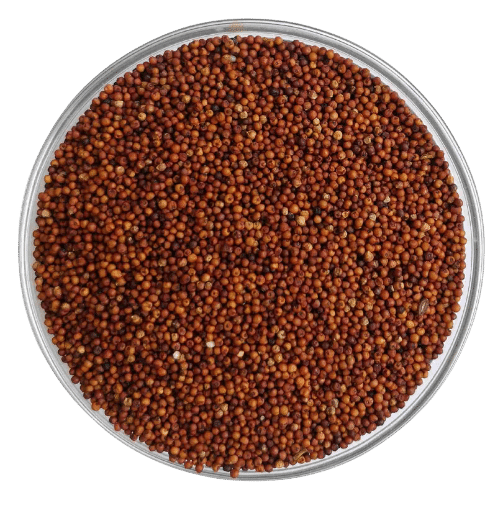
Finger Millet is rich in calcium and vitamin D, making it essential for maintaining healthy bones and teeth. It's also a great source of iron, helping to combat anemia and boost overall energy levels.
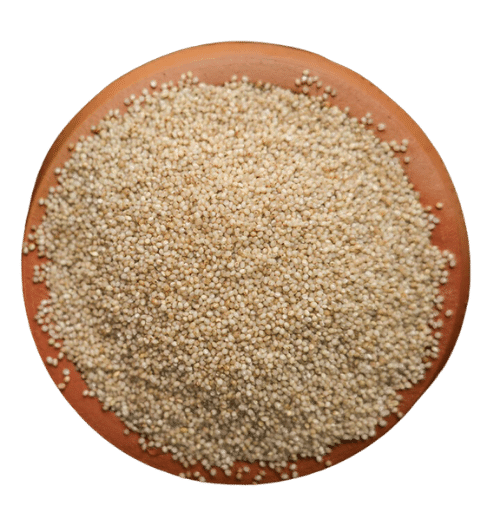
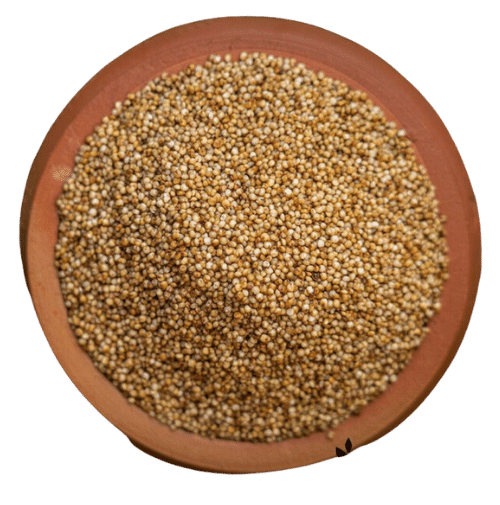
Pearl Millet is highly beneficial for maintaining stomach health, thanks to its alkaline properties. It’s also rich in magnesium, which helps reduce migraine headaches and decrease the risk of heart attacks.
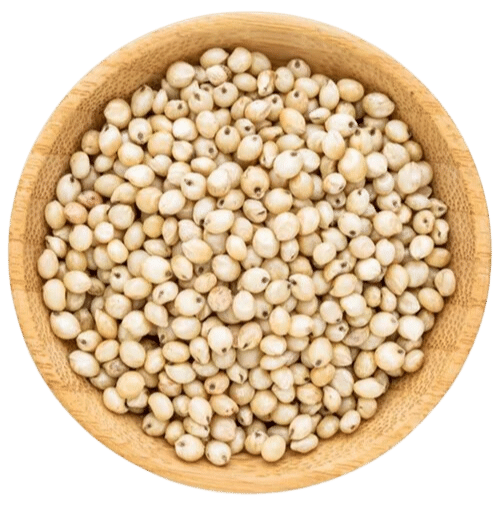
Sorghum is rich in antioxidants that help lower the risk of cancer, diabetes, and heart disease. Its high niacin (vitamin B3) content helps in energy production and managing cholesterol levels.
With the highest calcium content among all millets, Barnyard Millet supports bone growth and dental health. Its high fiber content aids in smooth digestion and regular bowel movements.
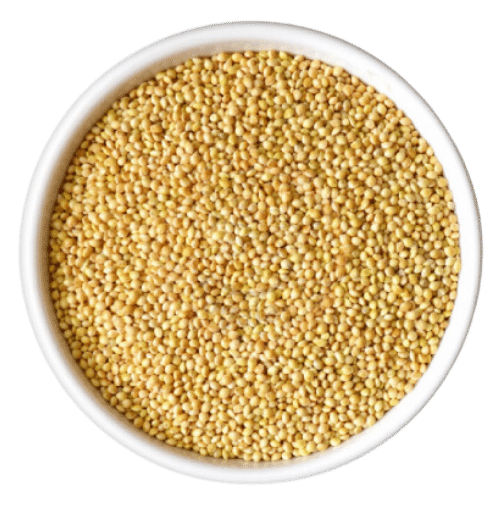
Little Millet is a powerhouse of phosphorus which helps with fat metabolism, body tissue repair, and energy production. It also acts as a probiotic feeding the microflora in your gut.
Kodo Millet helps in weight management and controlling diabetes. It also reduces joint and back pain, making it beneficial for elderly people.
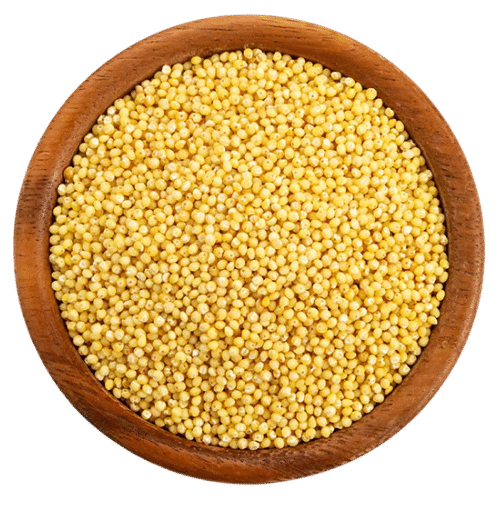
Proso Millet is beneficial for heart health due to its high magnesium content. It also supports proper brain function and helps in the development of a healthy nervous system.
Millets: Nature's Answer to NCD Prevention

Nutrient Powerhouse
Millets are rich in essential nutrients, aiding overall health and combating deficiencies linked to NCDs.

Stable Blood Sugar
With a low glycemic index, millets help manage blood sugar levels, reducing the risk of diabetes, a common NCD.

Digestive Health
Millets’ high fiber content supports digestion and regulates cholesterol, crucial for preventing heart disease and obesi- ty-related NCDs.
Gluten-Free Option
Millets are rich in essential nutrients, aiding overall health and combating deficiencies linked to NCDs.

Antioxidant Boost
Millets’ antioxidants ght ree radicals, protecting against chronic diseases like cardiovascular issues, cancer, and neu- rodegenerative disorders.

Weight Management
Low in calories and high in fiber, millets promote satiety, aiding weight management crucial for NCD prevention and control.

Heart Health Support
Packed with heart-friendly nutrients, millets lower blood pressure, reduce inflammation, and improve lipid profiles, safeguarding against heart disease.

Versatile Usage
Millets’ versatility in various dishes ensures an enjoyable eating experience while effectively managing NCDs.
What we offer
WHAT WE OFFER?
A Toolkit for companies to adopt Millet Awareness into their employee wellness calendar
Resources to conduct activities
Centralized Project Management Team
Campaign Design Support
Consulting on the Adaptation of Millets into the campus
Educational Resources & Cooking Tips
JOIN THE MOMENTUM
Embark on a journey of health, sustainability, and transformative change with “Decode Millet.” Join the movement, explore the campaign’s facets, and be a part of a community fostering a healthier, more sustainable future.
Why Choose Millets?
The Future of Food: Why Choose Vegetarian and Organic Options.
Millets are rich in vitamins and minerals, often more so than common cereals like wheat and rice.
These grains require less water and can thrive in poor soil conditions, making them an eco-friendly crop choice.
Regular consumption of millets can help prevent conditions like obesity, diabetes, and heart diseases due to their high fiber and antioxidant properties